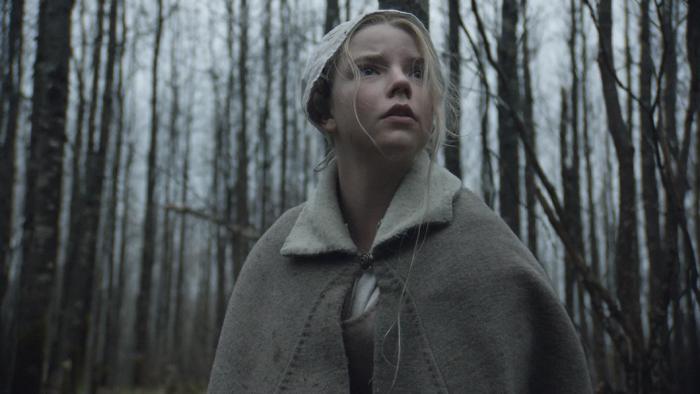
Slow horror is rarely neutral.
People don’t just dislike it. They reject it. Or they defend it with near-religious intensity. Very few viewers walk away feeling mild about it.
That’s because slow horror asks something specific from its audience, and not everyone wants to give it.
What People Mean When They Say “Slow Horror”
Slow horror usually isn’t actually about pace. It’s about priority.
These films don’t rush to explain themselves. They don’t hurry toward violence. They spend time on space, mood, routine, silence. They let tension accumulate instead of releasing it every few minutes.
Often, nothing obvious is happening. Which is the point.
Why It Works So Well for Some Viewers
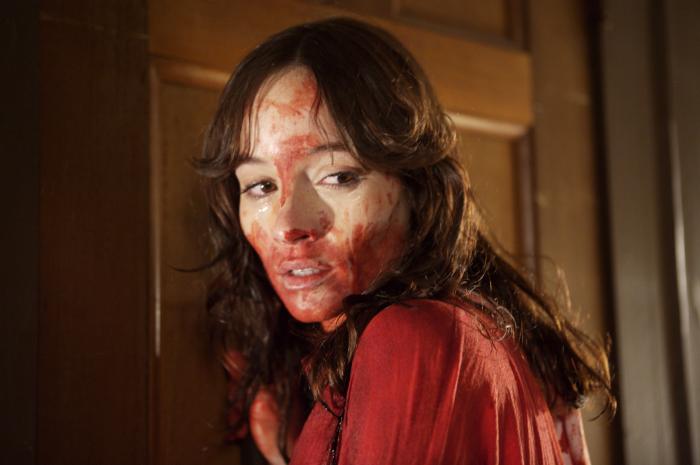
For people who love slow horror, the pleasure comes from immersion.
The feeling of being trapped inside a place or a mindset. The sense that something is wrong long before it announces itself. The quiet dread that grows without permission.
These viewers aren’t waiting for the scare. They’re already inside it.
When the payoff finally arrives, it feels earned. Sometimes devastating. Sometimes barely visible, but heavy enough to linger.
Why It Feels Like Nothing Is Happening
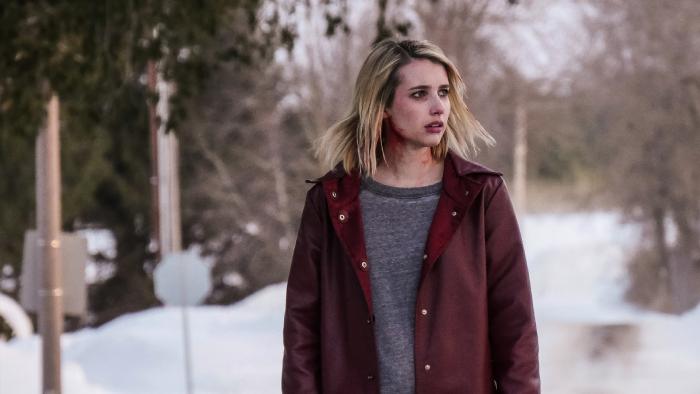
For everyone else, slow horror feels empty.
They’re watching closely. They’re paying attention. But the movie never seems to give them what they’re waiting for. No escalation. No release. Just long stretches of quiet that feel like stalling.
When the ending comes, it can feel small or abrupt instead of climactic.
That frustration is real. Slow horror often withholds the very tools most horror fans are trained to expect.
Attention Is the Real Barrier
Slow horror demands a specific kind of attention.
Not the distracted kind. Not the half-on-your-phone kind. It asks you to sit with boredom, uncertainty, and repetition. To notice small changes. To care about atmosphere as much as plot.
If you’re not in the mood for that, the movie will feel hostile. Not challenging. Hostile.
This is why slow horror often lands better in the right setting, on the right night, at the right volume, with the lights off.
Expectations Ruin It Faster Than Anything
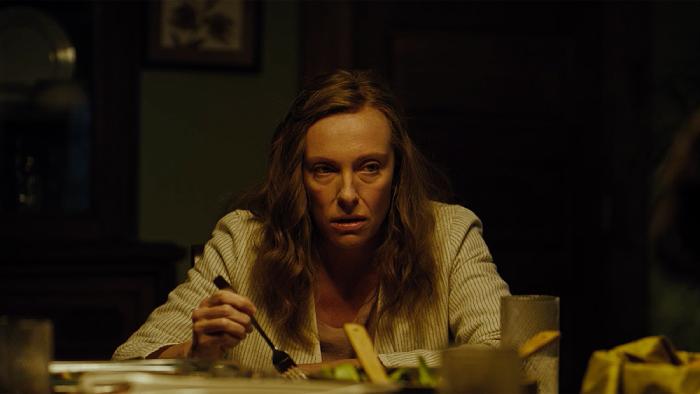
Many people go into slow horror expecting constant tension or frequent scares. When those don’t arrive, disappointment sets in early and never leaves.
These films aren’t designed to scare you every five minutes. They’re designed to reshape how you feel about what you’re watching, often without asking permission.
If you’re expecting adrenaline, you’re probably going to hate it.
Why Fans Defend It So Aggressively
People who love slow horror often feel misunderstood.
They’ve been told the movies they love are boring, pretentious, or “not real horror.” Over time, that turns into defensiveness. Sometimes elitism. Sometimes exhaustion.
But the intensity comes from something simpler. When slow horror works, it feels personal. Like the film met you halfway and trusted you to keep up.
That kind of experience is hard to explain to someone who didn’t have it.
Why Hating It Is Fine
Disliking slow horror doesn’t mean you missed something.
It often just means you want horror to move differently. More externally. More immediately. That’s not a flaw. It’s preference.
Not every film is built for every viewer. Slow horror is especially unforgiving about this.
Final Thought
Slow horror isn’t better than fast horror. It’s just pickier.
It only works when you’re willing to meet it on its terms. When you’re patient. When you’re open to quiet dread instead of constant stimulation.
If it clicks, it can be unforgettable.
If it doesn’t, it can feel like a waste of time.
Both reactions make sense.