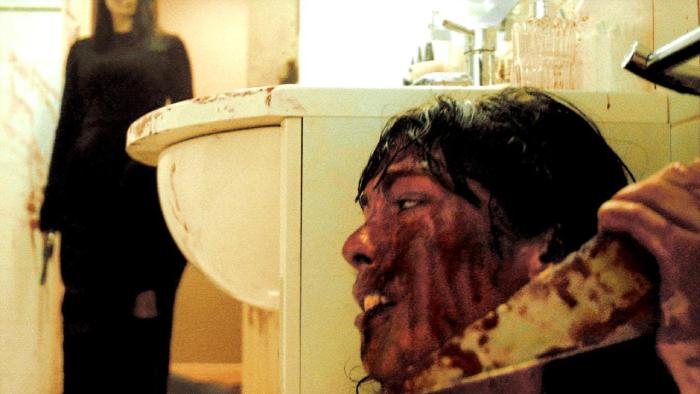
Extreme horror has a reputation that precedes it.
People hear about these movies long before they see them. They show up in conversations as warnings, dares, or punchlines. The films you’re “not supposed” to watch. The ones that allegedly cross a line.
Sometimes they do. Sometimes they don’t. The problem is that the label doesn’t explain much on its own.
What “Extreme Horror” Really Means
Extreme horror isn’t a genre. It’s a response.
The films grouped under the label don’t share a single style or subject. What they share is a willingness to push past comfort. That push might come from graphic violence, sexual cruelty, emotional hopelessness, or moral ugliness. Often it’s a combination.
These movies are not trying to scare you in a fun, controlled way. They are trying to unsettle you, confront you, or leave you with something unresolved. That intention matters more than the content itself.
Why People Seek It Out
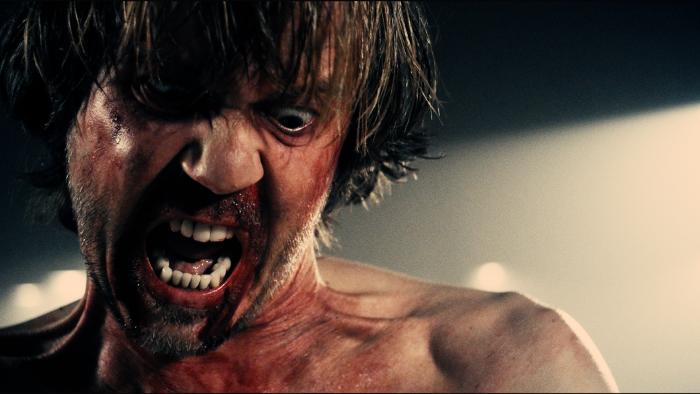
Most people don’t arrive at extreme horror randomly.
They get there after conventional horror stops working. The scares feel familiar. The violence feels ornamental. Nothing lingers. Extreme horror promises something different. Not excitement, but impact.
For some viewers, that impact feels honest. For others, it feels punishing. The difference usually has less to do with toughness than timing and temperament.
Not All Extreme Horror Is the Same
This is where beginners often go wrong.
Some extreme horror films are thoughtful, controlled, and purposeful, even when they’re brutal. Others are endurance tests built around provocation. Some are interested in trauma or despair. Others mistake cruelty for depth.
Treating them all as interchangeable is how people end up watching the wrong movie first and assuming the entire corner of horror has nothing to offer.
It does. Just not all at once.
How Far Is “Too Far”?

There is no universal answer.
Everyone draws the line in a different place. For some viewers, it’s sexual violence. For others, harm to children or animals. Some can tolerate graphic imagery but shut down at emotional degradation. Others are the opposite.
Knowing where your own limits tend to be is more important than knowing where a movie’s reputation stands.
You Don’t Get Points for Finishing
This needs to be said.
Extreme horror attracts a strange kind of completionism. Like turning a movie off means you failed, or missed something important. It doesn’t.
If a film stops being challenging and starts being actively miserable, you are allowed to walk away. Some extreme horror films are designed to repel you. Recognizing that doesn’t mean you misunderstood them.
It means you listened to your reaction.
Why Reputation Is a Bad Guide
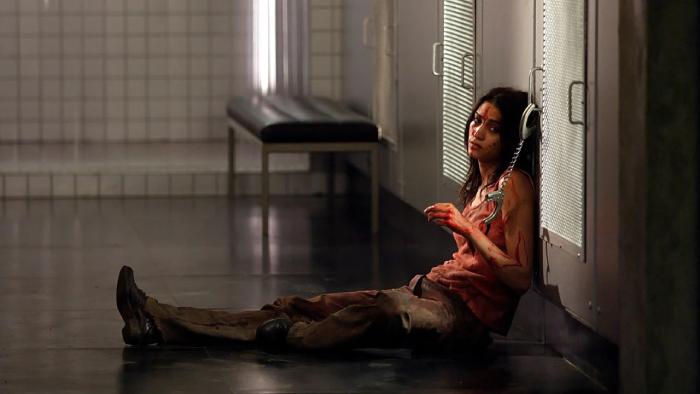
Many extreme horror films are famous for a single scene.
Out of context descriptions, clips, or screenshots circulate until the reputation eclipses the movie itself. Sometimes this makes a complex film sound unbearable. Other times it makes a shallow one sound profound.
Notoriety is rarely a good filter.
Understanding why people defend a film will tell you more than knowing what they warn you about.
How to Approach Extreme Horror Thoughtfully
If you’re curious, start deliberately.
Seek out films known for atmosphere, moral weight, or emotional impact before diving into pure shock cinema. Pay attention to intent. Read about themes, not just content warnings. Avoid marathoning. These films tend to linger longer than you expect.
Extreme horror works best when approached slowly and on your terms.
Why Some People Love It
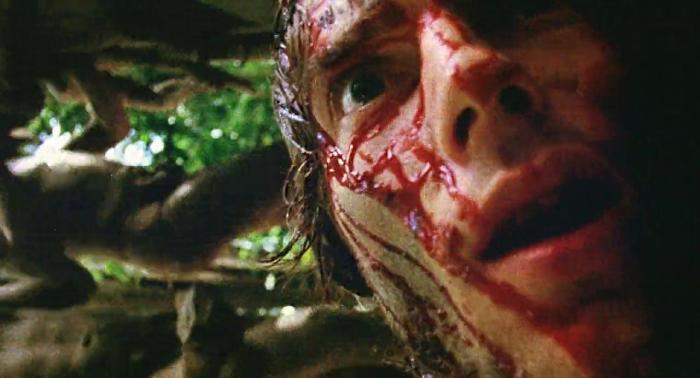
When extreme horror works, it does something rare. It refuses comfort. It doesn’t reassure you. It doesn’t wrap things up neatly.
For the right viewer, at the right moment, that can feel bracing. Even meaningful.
For others, it feels like a mistake.
Both reactions are valid.
Final Thought
Extreme horror isn’t a test of endurance or taste.
It’s a narrow, volatile corner of the genre that only works when approached with intention. Curiosity is enough. You don’t owe it anything beyond that.
If you stop, stop.
If you hate it, move on.
If it gets under your skin, you’ll know why you came.